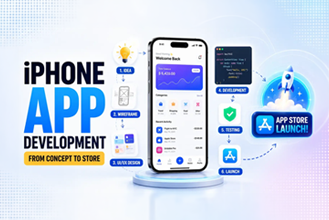
Building an iPhone app involves more than coding; it’s a structured journey from concept to market-ready product. Start with a clear idea, define your MVP, engage in UI/UX design, follow rigorous development and testing phases, and prepare your app for App Store submission.
Post-launch, continuous iteration ensures growth, user satisfaction, and longevity. Leveraging professional iPhone app development services and mobile app development expertise can accelerate this process while maintaining high-quality outcomes.
From Idea to MVP
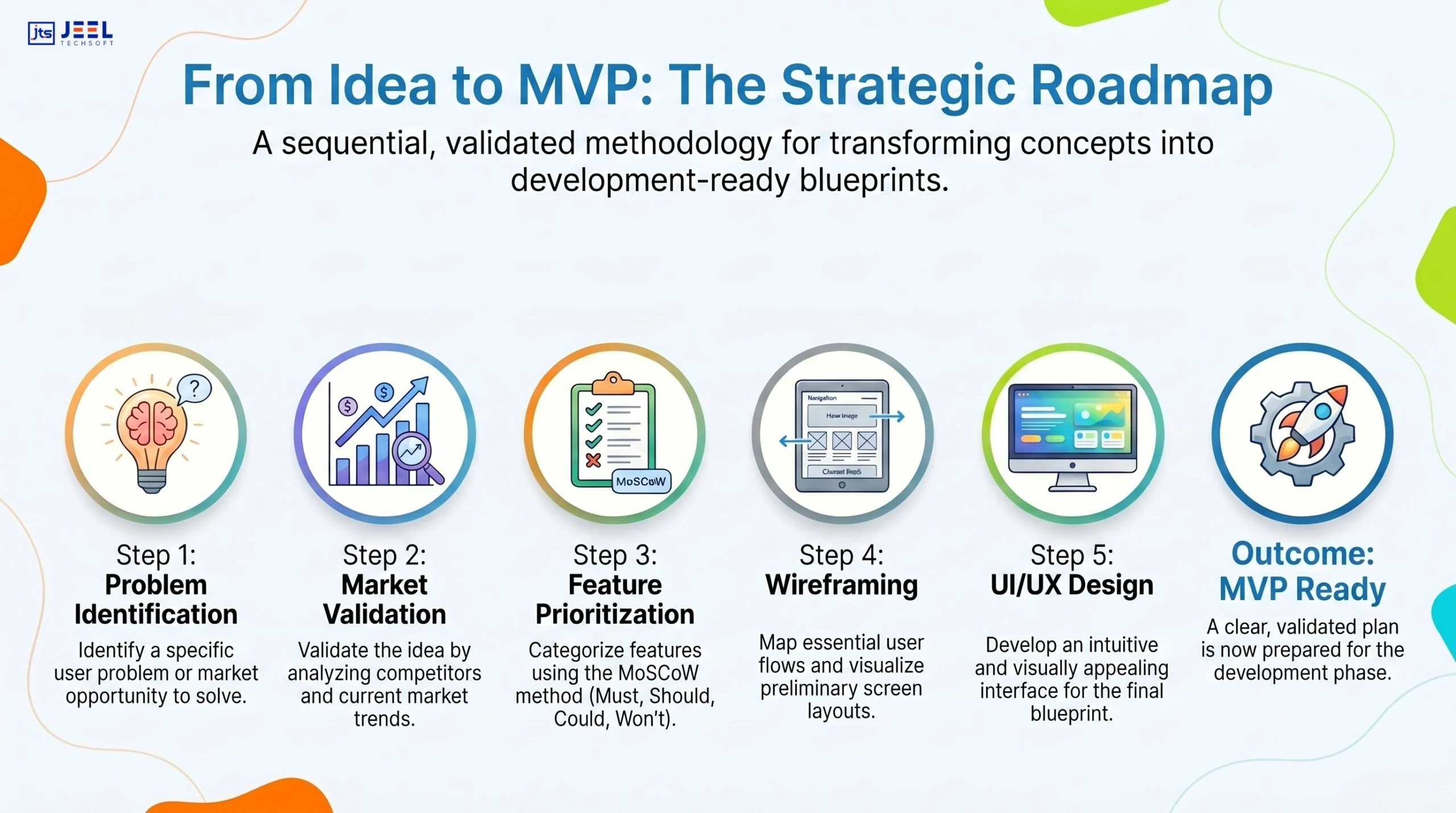
The first step in any iPhone app development journey is transforming a concept into a tangible plan. Every successful app starts with understanding a user problem or market opportunity. Conduct market research to validate your idea. Tools like App Annie can provide data on competitor apps, trends, and monetization potential.
Define the Core Problem
Begin by pinpointing the exact problem your app solves. A clear problem statement helps you avoid scope creep and keeps the MVP focused. For example, if creating a fitness tracker, identify whether your app helps users track workouts, nutrition, or both.
Minimum Viable Product (MVP) Planning
MVP is a stripped-down version of your app that includes only the essential features. This approach reduces development costs and accelerates time-to-market.
- Feature prioritization: Use the MoSCoW method (Must have, Should have, Could have, Won’t have) to structure your MVP.
- Wireframing: Tools like Figma or Sketch allow you to visualize UI flows and user interactions.
- UI/UX design services: A professional designer ensures that your app is intuitive, visually appealing, and accessible.
By clearly defining the MVP, you set realistic timelines and avoid overloading development teams with unnecessary features.
Development and Testing Phases
Once your MVP plan is ready, the focus shifts to development. This phase involves coding, backend integration, and rigorous testing.
Selecting the Right Development Approach
Two main approaches exist for iPhone app development:
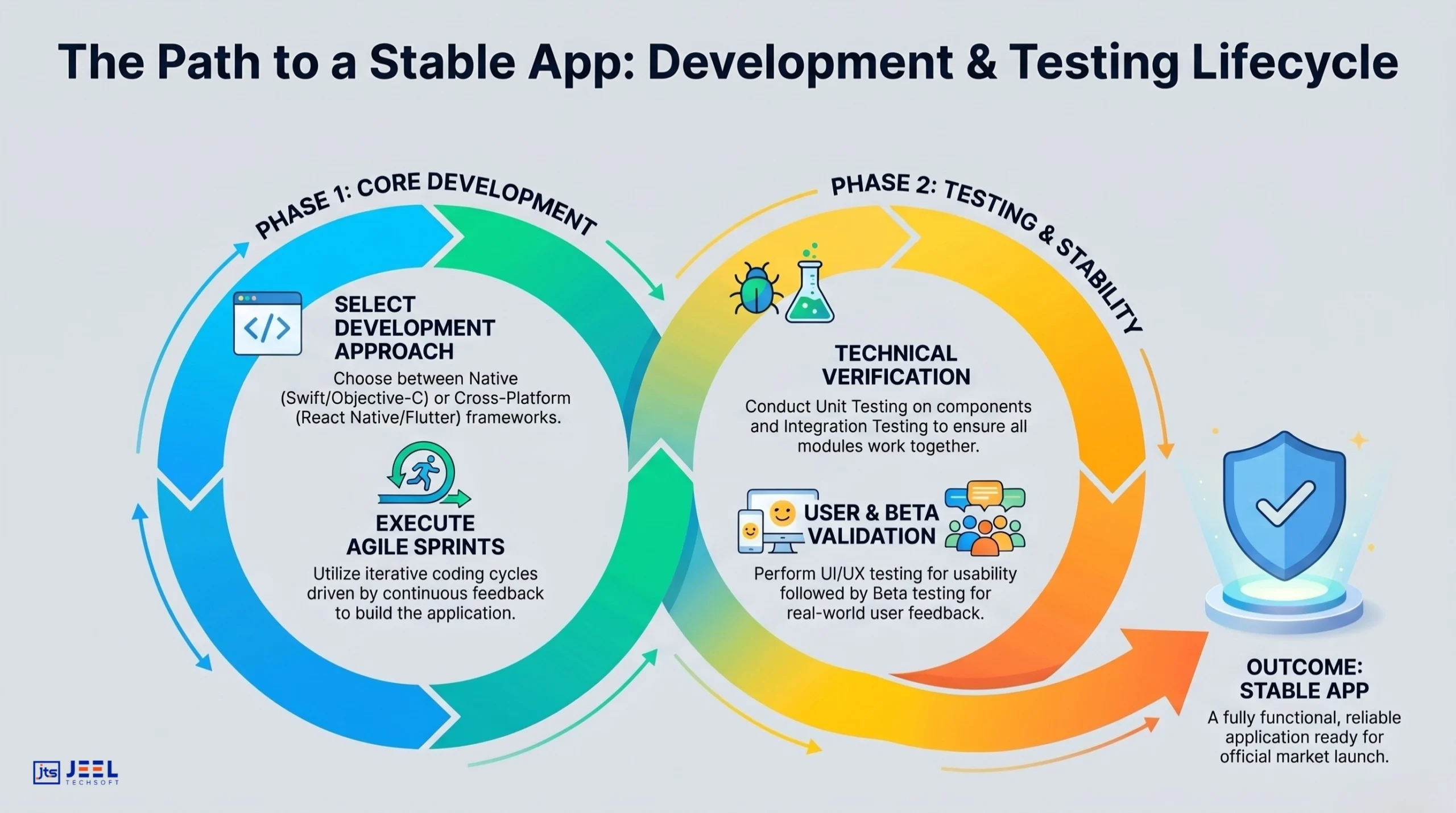
- Native iOS Development: Uses Swift or Objective-C for high-performance apps with deep iOS integration. Ideal for complex applications requiring speed and responsiveness.
- Cross-Platform Development: Frameworks like React Native or Flutter allow deployment on multiple platforms but may compromise some native functionality.
Partnering with expert mobile app development services ensures that your chosen approach aligns with app objectives, budget, and timeline.
Agile Development Process
Most development teams use Agile methodology, breaking the project into sprints. Benefits include:
- Continuous testing and bug fixing
- Flexibility to adapt to changes
- Clear visibility for stakeholders
During development, frequent demos and feedback loops ensure the app stays aligned with user expectations.
Testing and Quality Assurance
Testing is non-negotiable. Apps that launch with bugs quickly lose user trust. Include:
- Unit Testing: Verifies individual code components.
- Integration Testing: Ensures modules work together seamlessly.
- UI/UX Testing: Confirms design functionality and user experience.
- Beta Testing: Use TestFlight to gather real-world user feedback.
For example, early testing of a ride-sharing MVP revealed confusing navigation flows, which were corrected before public release. This approach can save substantial costs post-launch.
App Store Preparation
Preparing your app for the App Store is more than uploading binaries. A strategic approach can maximize discoverability and downloads.
App Store Guidelines
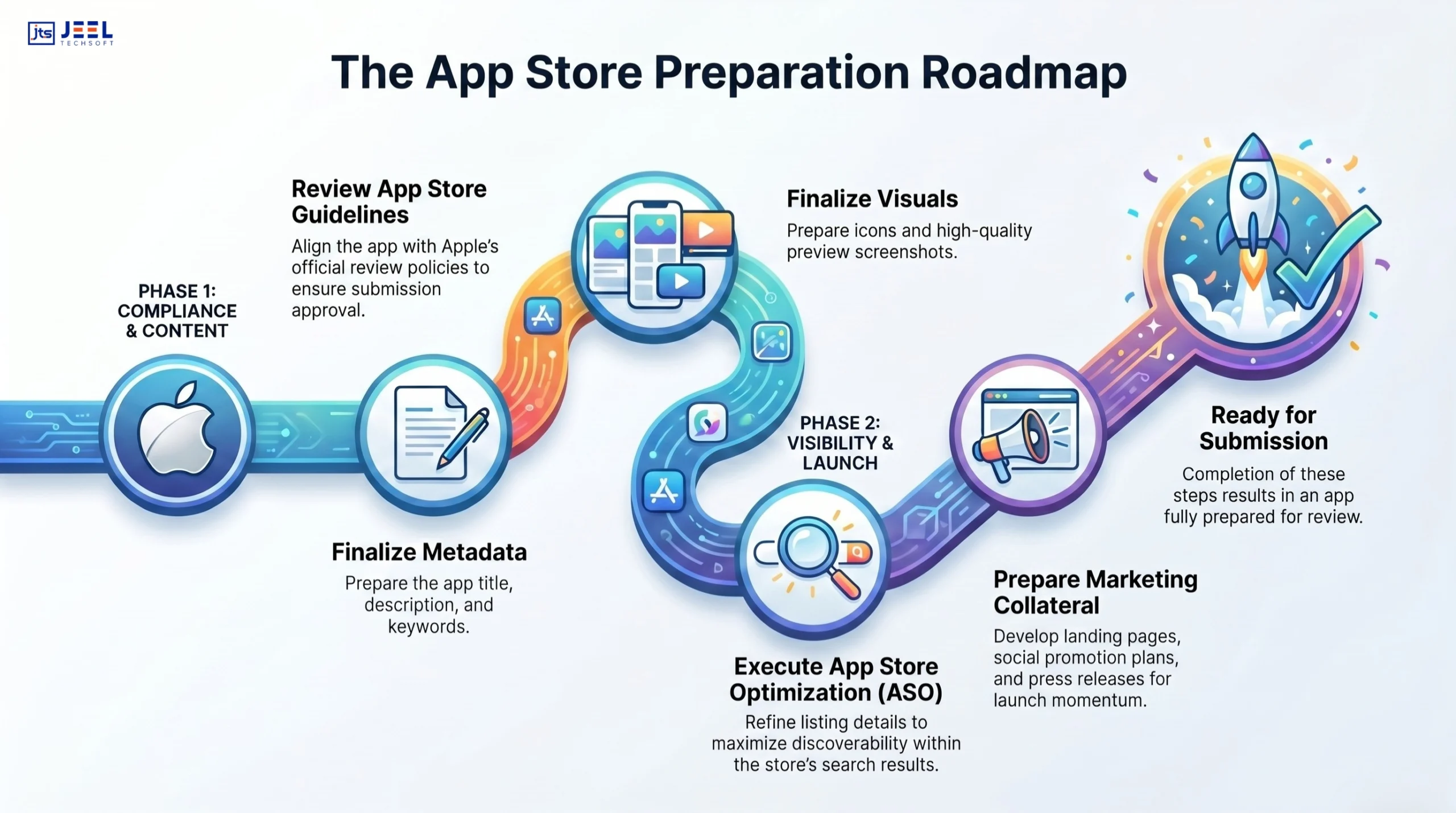
Apple’s App Store Review Guidelines cover design, functionality, privacy, and security. Compliance ensures smooth approval. Common pitfalls include:
- Incomplete metadata or screenshots
- Privacy policy omissions
- Crashes during review
App Store Optimization (ASO)
Similar to SEO, ASO improves visibility. Consider:
- App title: Include primary keyword naturally (e.g., “iPhone App Development Tracker”)
- Description: Highlight benefits, not just features
- Keywords: Use targeted, high-traffic search terms
- Visual assets: Screenshots and videos showing real app usage
ASO helps your app appear in relevant searches, increasing downloads organically.
Marketing Collateral
Prepare promotional content in parallel:
- Landing page with download links and clear CTA
- Social media announcements
- Press release, if applicable
Collaborating with iPhone app development services that integrate marketing guidance can streamline this phase.
Post Launch Iteration
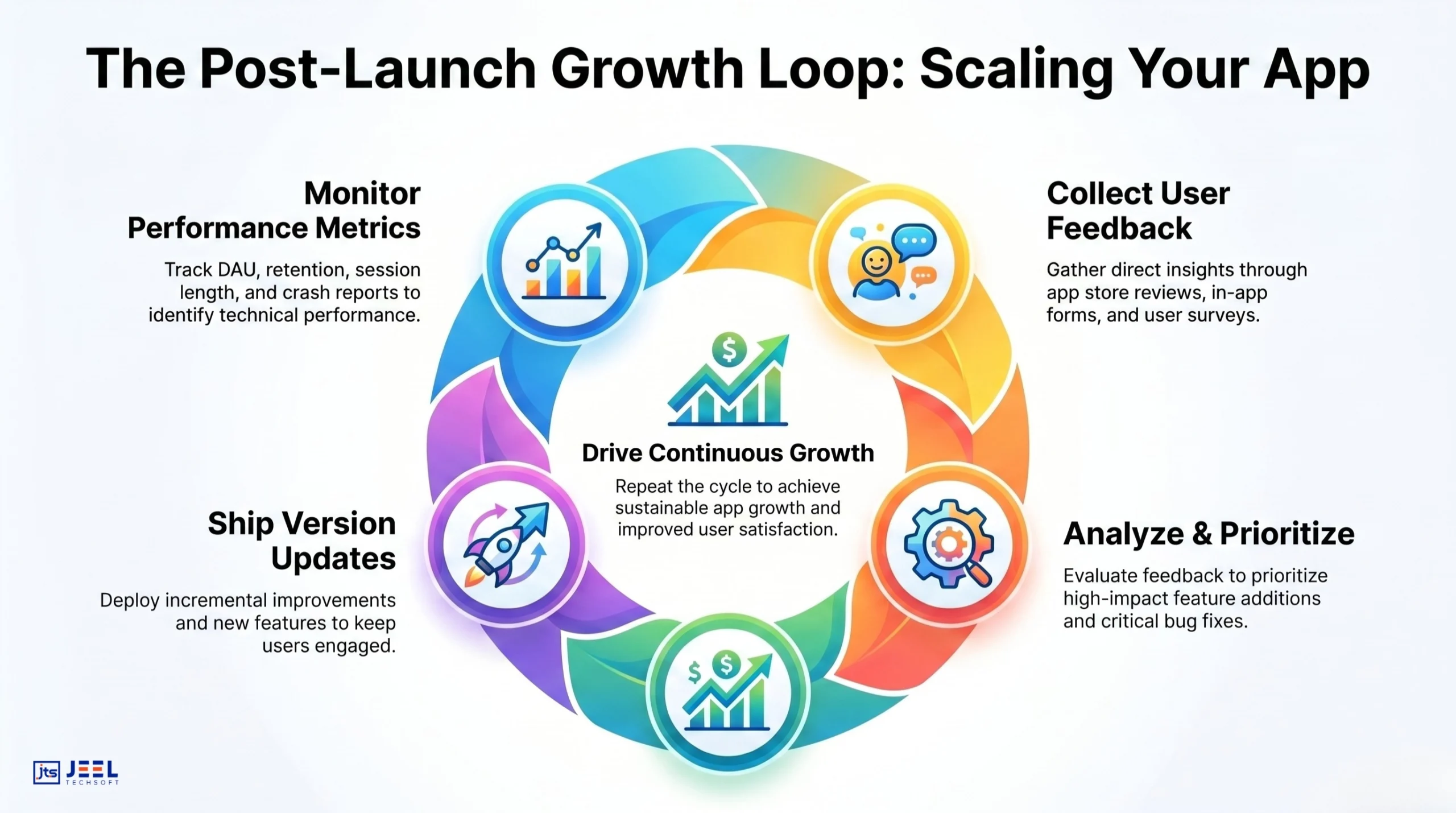
Launching the app is just the beginning. Continuous iteration is crucial to maintaining user engagement and growing your app’s market presence.
Monitoring Performance Metrics
Key performance indicators (KPIs) to track include:
- Daily active users (DAU)
- Session length
- Retention rates
- Crash reports
Tools like Firebase or Mixpanel provide detailed analytics to guide improvements.
User Feedback
User reviews are a goldmine for insights. Address negative feedback promptly and prioritize enhancements based on frequency and impact. Implementing in-app feedback forms can streamline data collection.
Version Updates
Release regular updates with bug fixes, new features, or performance enhancements. Incremental improvements maintain user satisfaction and app store ranking.
- Example: A meditation app added sleep-tracking features in version 2.1, leading to a 25% increase in user retention.
FAQs
How long does it take to launch an iPhone app?
Launching an MVP typically takes 3–6 months, depending on complexity. Full-featured apps may take 9–12 months. Timelines include design, development, testing, and App Store approval.
What is the cost of iPhone app development?
Costs vary by scope, features, and platform. Basic MVP apps may start at $15,000–$25,000, while complex apps can exceed $100,000. Budgeting upfront helps avoid delays or compromises.
Do I need UI/UX design services for my app?
Yes, professional UI/UX design improves usability and user retention. It ensures intuitive navigation and better engagement. Well-designed apps also achieve higher App Store ratings.
How can I ensure my app is approved on the App Store?
Follow Apple’s review guidelines carefully. Test thoroughly and provide accurate metadata, screenshots, and a privacy policy. Address bugs and functionality issues before submission.
Should I update my app after launch?
Yes, regular updates keep users engaged and fix bugs. Adding features and improving performance maintains app store ranking. Continuous iteration supports long-term growth and satisfaction.
Conclusion
Creating a successful iPhone app is a structured journey, from a clear concept to an MVP, through development, testing, and App Store launch. Post-launch iteration, driven by user feedback and performance metrics, ensures your app stays relevant and competitive.
Partnering with professional iPhone app development services and leveraging mobile app development expertise, including UI/UX design services, helps streamline the process, reduce risks, and deliver a product users love. By following this roadmap, you can confidently bring your app idea to life and achieve long-term success in the App Store.


